Comparing Tech Support Options for Seniors: In-Home vs. Remote
Understanding the Needs of Seniors
As technology becomes increasingly integrated into daily life, seniors often find themselves needing assistance to navigate new devices and software. Choosing the right tech support can be crucial in helping them stay connected and independent. The two primary options available are in-home and remote support.
Each option has its own set of advantages and potential drawbacks. Understanding these differences can aid seniors and their families in making an informed decision that best suits their lifestyle and comfort level.

Benefits of In-Home Tech Support
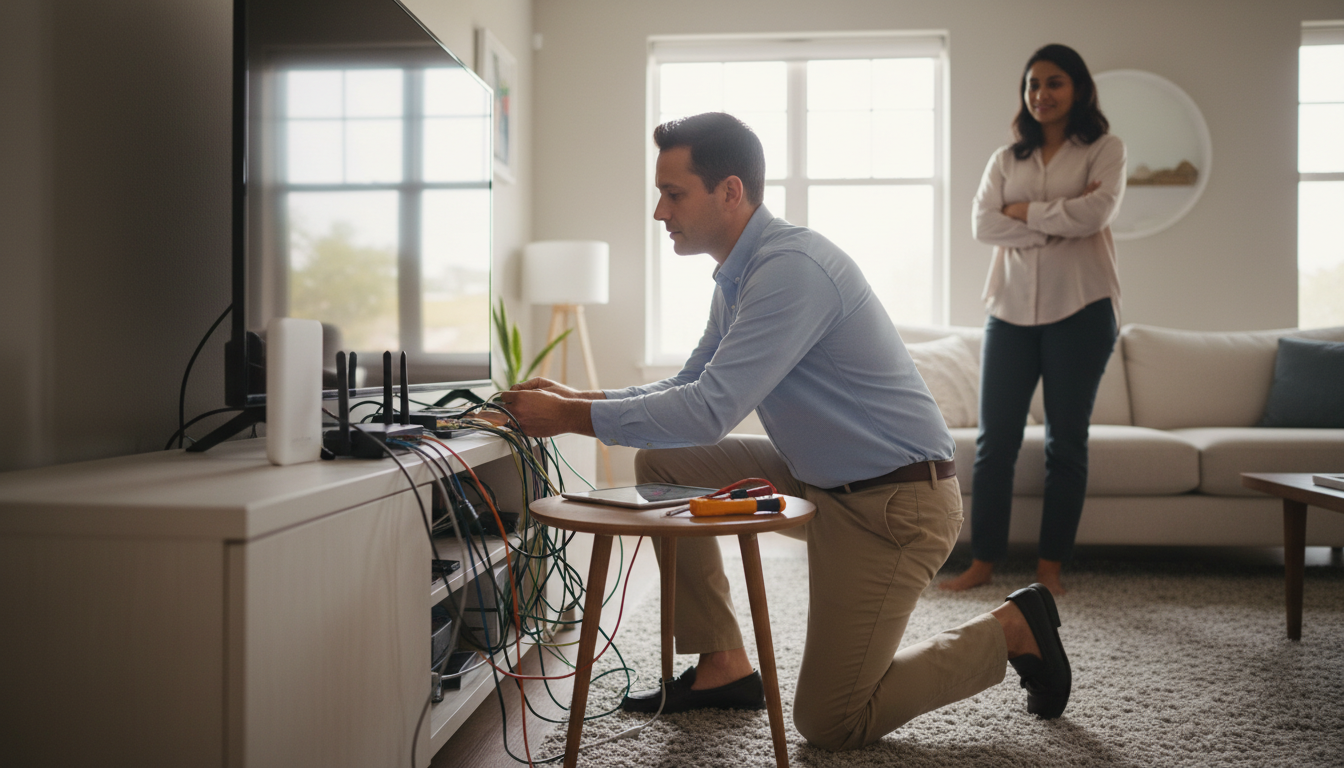
In-home tech support involves a professional visiting the senior's residence to offer personalized assistance. This option is particularly beneficial for those who may not feel comfortable with remote communication or have complex setups requiring hands-on troubleshooting.
- Personalized Attention: Technicians can address specific issues by seeing the setup firsthand.
- Comfort and Convenience: Seniors do not need to leave their homes, making it ideal for those with mobility challenges.
- Hands-On Training: In-home visits allow for direct instruction and guidance, which can be more effective for learning.
Drawbacks of In-Home Tech Support
Despite its benefits, in-home support can also present some challenges. It often requires scheduling appointments, which may not always align with immediate needs. Additionally, it can be more costly due to travel expenses and time spent on-site.
Advantages of Remote Tech Support
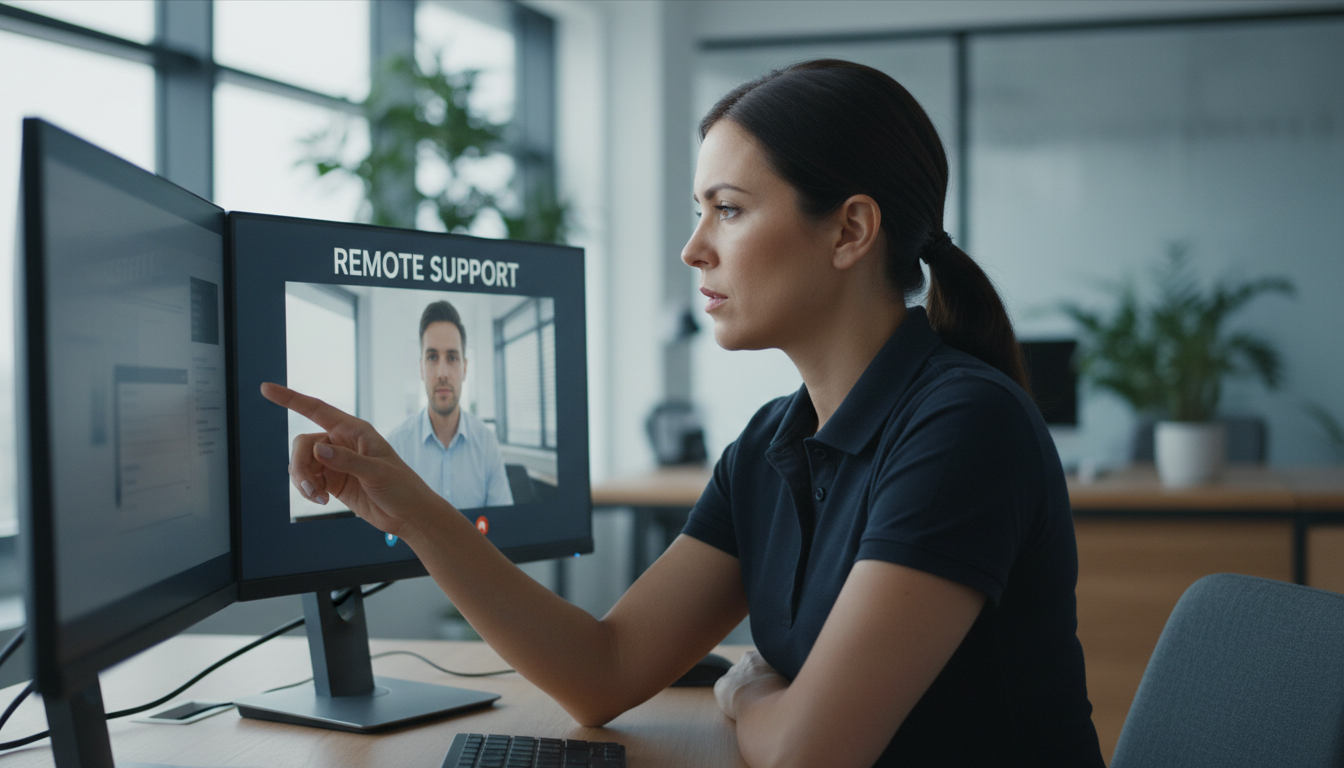
Remote tech support offers flexibility and immediacy, allowing seniors to receive help without waiting for an in-person visit. This option is ideal for those who are comfortable with technology and have straightforward issues that can be resolved over the phone or via online tools.
- Accessibility: Remote support can be available 24/7, providing help exactly when needed.
- Cost-Effective: Without travel expenses, remote services are often more affordable.
- Environmentally Friendly: Reduces the carbon footprint by eliminating the need for travel.
Challenges of Remote Tech Support
However, remote support may not be suitable for everyone. Some seniors might struggle with the technical requirements needed to access remote help, such as logging into a service or following instructions without visual cues.
Making the Right Choice
Ultimately, the choice between in-home and remote tech support should be guided by the senior’s comfort level with technology, the complexity of their needs, and their personal preferences. It might also be helpful to consider a combination of both methods, depending on the situation.
By weighing the benefits and challenges of each option, families can choose the support system that best empowers seniors to use technology confidently and effectively.